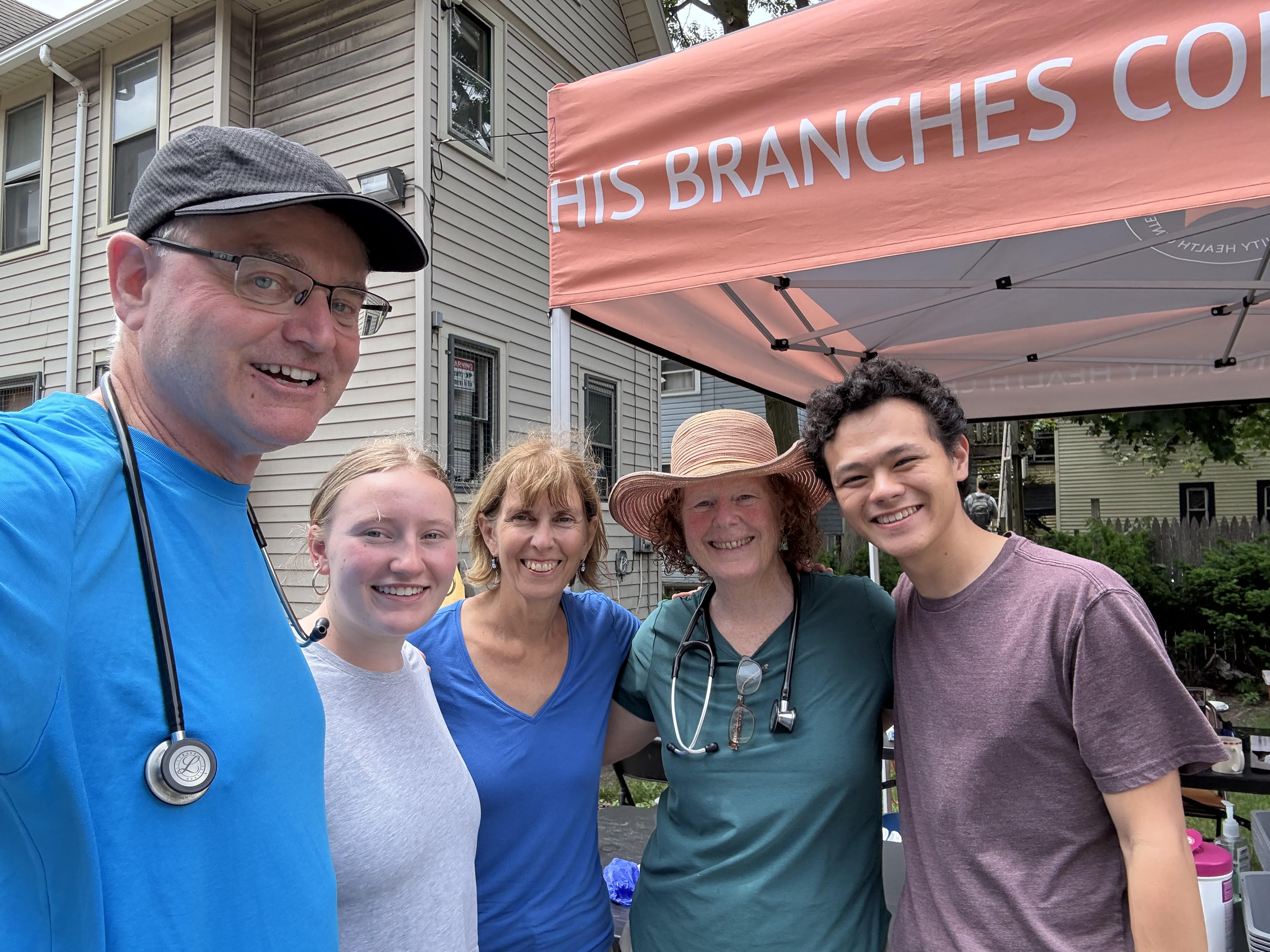
Street Medicine: Access, Compassion, Dignity

Our mission of bringing God’s love to our neighbors through medical care and community development has evolved and expanded over the decades based on the ever-changing and growing needs of the overlooked, underserved, and incapacitated, who deserve access and quality of care just as much as any one of us. This has led to the launch of our Street Medicine program in June 2025, a mobile medical team bringing primary care right to the streets where people are already gathering, in a flexible care model that helps us breach the barriers of trust and transportation.
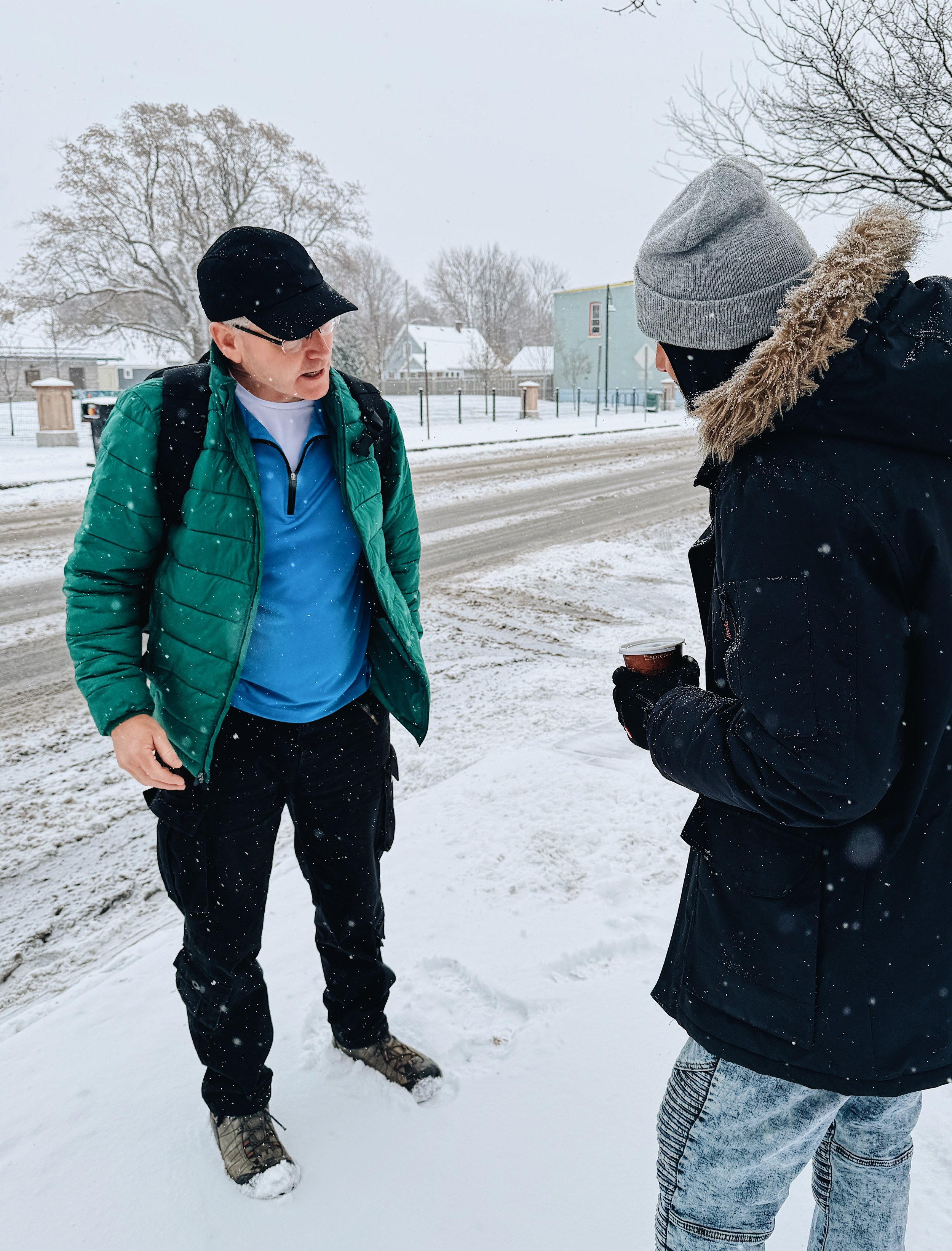
Hear how our Street Medicine program has directly impacted individuals experiencing homelessness and how your support makes a difference!
Approximately 1,054 Rochester residents are unhoused, sleeping in cars and encampments on any given night, a 13% increase from 2024, according to Partners Ending Homelessness. As of September 2026, we’ve already surpassed our goal of reaching 300 new Street Medicine patients in 2026 and are currently seeing 364 patients! We plan to soon expand our services to include mental health counseling on the street.
Our Street Medicine program follows patient-led care and a harm-reduction model that prioritizes patient autonomy, dignity, and self-defined goals, aiming to reduce negative health consequences. These approaches help address stigma, build trust, and foster collaborative, non-judgmental care.

Some of the most common diagnoses our Street Medicine providers see are: mental health disorders, substance use disorders, wounds, chronic medical conditions, and sexually transmitted infections. Many of these conditions are severe, even life-threatening, and most of these patients lack the wherewithal to make and keep physical and mental health care appointments. Our providers are able to offer life-altering treatment on the spot, including long-acting injectable antipsychotics, medication assisted therapy for substance abuse, minor surgical procedures for wounds, and more. They also refer patients to specialists, detox, and rehabilitation and connect them with transportation vouchers to get there.

Street Side Podcast
If you’re interested in learning more, you can also check out the Street Side podcast produced by our Director of Street Medicine, Michael Brennan FNP, DNP. Street Side explores the themes involved in providing street-level medical and mental health care to our unhoused neighbors. We explore the care philosophy of street medicine, clinical topics, addiction medicine, mental health, trauma, and speak with folks who have lived experience of homelessness.